How to Choose the Best Budget Cycling Computer
A cycling computer is a professional tool for cyclists during their riding experience. If you are a recreational rider, you might not need a advanced bike computer, an entry-level device that can display various cycling data is enough for your need. But if you are a professional cyclist or serious about cycling, training and racing with the goal of greatly enhancing the cycling experience, such a cycling computer with versatile functionalities can be an essential tool for improving performance and safety.
When choosing a cycling computer, several factors you should take into consideration to ensure that it does meet your needs and preferences. For casual riders, a basic model with tracks speed, distance, and time might be the first choice. While competitive cyclists may require advanced features like positioning system, navigation function, intelligent syncing and sharing, compatibility and battery life.
Ease of Use
A clear, easy-to-navigate interface with customizable data screens is important, especially if you want to view specific metrics at a glance. Some cyclists prefer physical buttons, especially in wet or cold conditions, while others may prefer the modern feel of a touchscreen. The size of cycling computer may also impact your choice. A larger screen is easier to read, especially for displaying multiple data fields, but it may add bulk to your bike setup.
Battery Life
If you go on short rides, battery life might not be a major concern. For long rides or multi-day tours, look for a device with extended battery life, especially when using GPS. A device with long battery life is crucial. Some models also offer power-saving modes or the ability to charge on the go.
Price
The price of a cycling computer depends on its brand, main features. Basic models are more affordable, while advanced units with GPS, mapping, and connectivity features are more expensive. There are many options in the market, it depends on your budget and specific needs.
Key Features
GPS and Navigation
If you plan to explore new routes, GPS with turn-by-turn navigation is essential. Some models also offer mapping features that help with route planning and off-course alerts. Choosing a bike computer with navigation capabilities can significantly enhance your cycling experience by providing accurate route guidance, tracking your rides, and offering valuable performance metrics.
Compatibility with Other Devices
Make sure that the cycling computer’s compatibility with any existing sensors like heart rate monitor, cadence sensor, and power meter etc.
And confirm that the cycling computer works with your preferred apps for data analysis, like Strava, TrainingPeaks, or the bike computer brand app Connect.
Cycling Data Tracking and Displaying
Data tracking and display is the basic function of a cycling computer. When choosing a bike computer, those essential functions should be considered to ensure your needs.
Speed and distance tracking are fundamental features for monitoring your ride. A cycling computer will measures your current speed, average speed, and maximum speed, tracks the total distance traveled during your ride, as well as cumulative distance over multiple rides, displays the time of day, ride duration, and may include a stopwatch feature.
These basic functions will cover most cyclists' needs, providing essential data to help track and improve performance.
Best Budget Cycling Computer
If you are looking for a best budget cycling computer, here are some options that offer good value while covering essential features. But I’d like to introduce iGPSPORT BSC300.
BSC300 is a small and lightweight GPS bike computer designed for cyclists with basic features along with some advanced capabilities.
BSC300 Cycling Computer Key Features
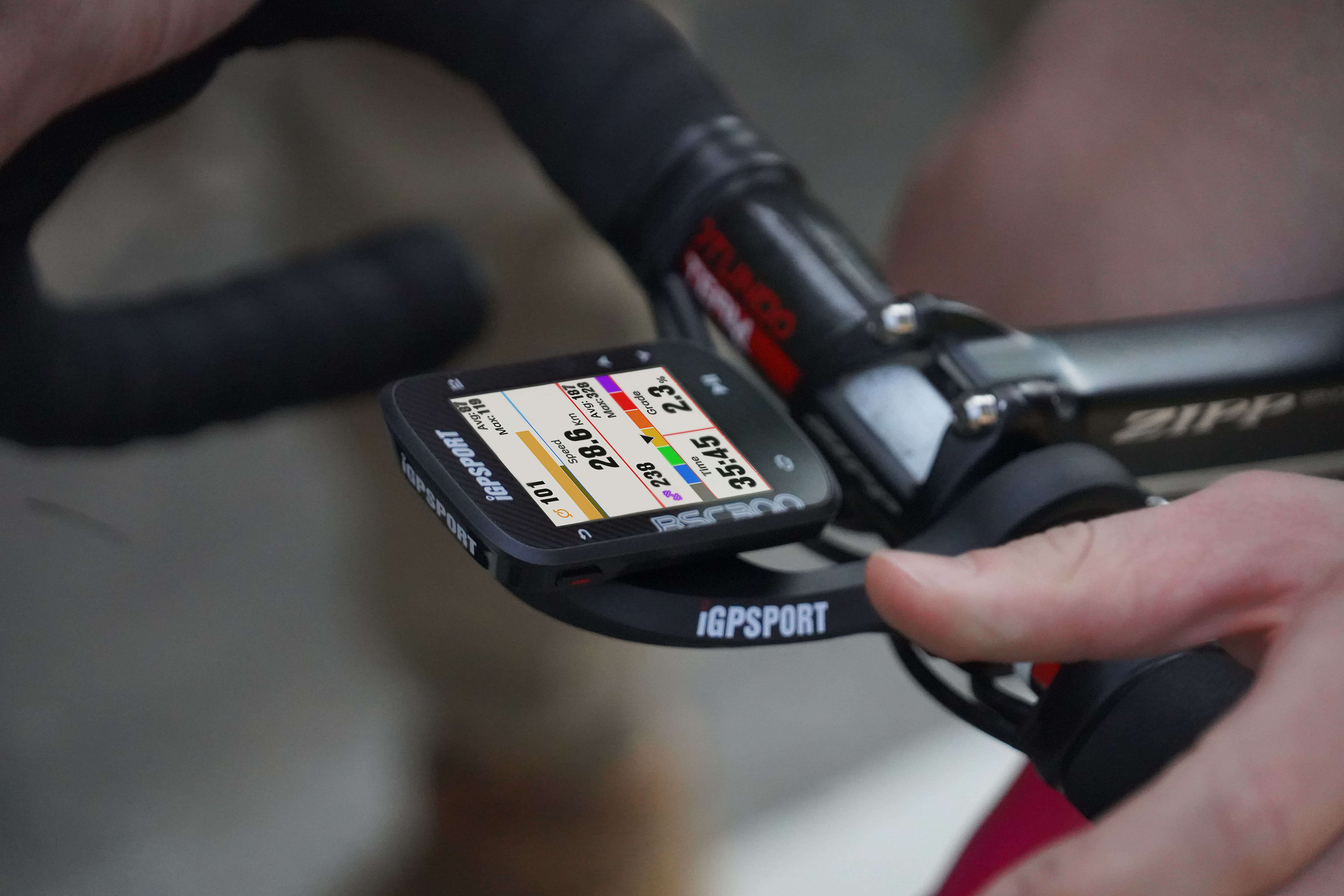
2.4-Inch Colorful Display
The BSC300 has a clear, easy-to-read 2.4-inch screen that displays multiple data fields at once.
GPS Functionality
It features built-in sensors for accurate tracking of speed, distance, heart rate, cadence and route. It also supports 5 satellite positioning system of BEIDOU+GPS+GLONASS+GALILEO+QZSS for enhanced positioning accuracy.
Connectivity
It supports Wi-Fi connectivity, ANT+ and Bluetooth protocol transmission, allowing you to pair heart rate monitors, cadence sensors, and power meters for more detailed data. You can also connect it with iGPSPORT App for data sharing and some third-party apps like Strava or TrainingPeaks.
Battery Life
The device comes with a 600mAh lithium battery and typc-C charging port. It can last up to 20 hours for long rides and support charging while cycling. There is no worry about battery life.